

How Do Minecraft Servers Make Money? (Complete Guide)

I’ve spent countless hours on Minecraft servers, and like many players, I used to ask myself, “How do Minecraft servers make money?” Well, someone has to foot the bill for hosting, updates, and those sweet custom plugins we all love.
The truth is, running a server costs real money. Server owners use various strategies to keep their worlds running and sometimes turn a profit. In this guide, I’ll walk you through exactly how Minecraft servers make money, what it costs to run one, and what you need to know before starting your own.
Let’s break down the money side of Minecraft servers.
Jump to:
How Do Minecraft Servers Make Money
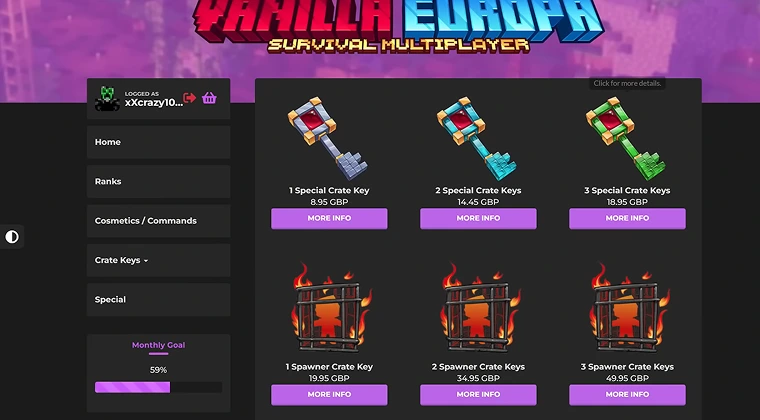
Server owners have multiple revenue streams at their disposal. Each method has its own advantages, and most successful servers combine several strategies to stay profitable.
Finding the right balance between making money and keeping players happy is critical. Too aggressive with monetization and players leave; not enough funding and the server shuts down.
Donations and Crowdfunding
Donations are the most common way servers stay afloat. Players who enjoy the server can chip in voluntarily through platforms like PayPal or Patreon. Many servers set up dedicated donation pages where supporters can contribute any amount they want.
Most servers reward donors with perks like special ranks, colored name tags, or access to exclusive cosmetic items. These rewards don’t give unfair advantages but show appreciation for financial support. A player might donate $10 and receive a “Supporter” rank with a unique chat color.
Some servers run crowdfunding campaigns for specific goals. Need a better hosting plan? Launch a campaign. Want to add a new game mode? The community can help fund it.
In-Game Purchases (Microtransactions)
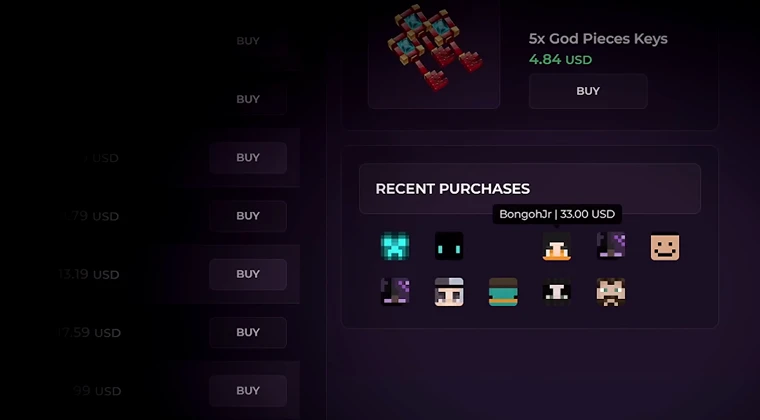
Microtransactions let players buy premium content directly through the server. These purchases typically range from $1 to $20 and include items like custom skins, particle effects, pets, or special building blocks.
The beauty of microtransactions is that they’re optional. Players can enjoy the full server experience without spending a dime. Those who want extra flair can purchase cosmetic upgrades that make their character stand out.
Popular items include custom armor appearances, trail effects, emotes, and exclusive titles. A player might spend $5 on a dragon pet that follows them around or $3 on a unique spawn animation.
Advertisements
Some servers generate income through ads displayed on their website or server hub. These ads typically appear on the server’s main site, forums, or even in-game as virtual billboards in spawn areas.
Server owners partner with ad networks that pay based on views or clicks. The revenue per ad is small, but it adds up with enough traffic. A server with 1,000 daily visitors might earn $50-$200 monthly from website ads alone.
In-game ads are less common but can work on larger servers. These might appear as sponsored messages in chat or promotional banners in safe zones. The key is keeping ads non-intrusive so they don’t ruin gameplay.
VIP Memberships or Subscriptions
VIP memberships work like monthly subscriptions. Players pay a recurring fee (usually $5-$15 per month) for ongoing perks. This creates stable, predictable income for server owners.
Subscribers typically get priority login access, faster resource gathering, exclusive cosmetic items, and access to VIP-only areas. Some servers include bonus in-game currency with each monthly payment. If you’re into games like Minecraft, you’ll recognize this subscription model from other multiplayer titles.
The subscription model works because it’s affordable and provides continuous value. A $10 monthly VIP membership might include everything a regular donor gets plus extra perks that refresh each month.
Selling Access
Some servers charge a one-time entry fee or subscription for exclusive content. This approach works best for servers with unique game modes, custom adventure maps, or specialized communities.
Players pay to access premium worlds that aren’t available on the free version. This might be a custom RPG world with hundreds of hours of content or a competitive tournament realm with cash prizes.
The fee is usually $5-$25 for permanent access or $3-$10 monthly for subscription-based content. This method requires exceptional content quality since players won’t pay for something they can get free elsewhere.
How Much Does It Cost to Run a Minecraft Server?
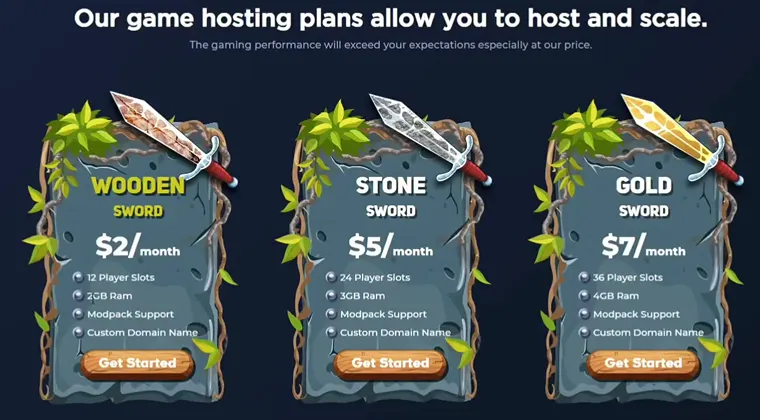
Do you have to pay for a Minecraft server? Yes, unless you run it from your own computer. Professional hosting ranges from $5 to $200+ monthly depending on player capacity and performance needs.
Small servers (10-20 players) cost around $5-$15 monthly through budget hosts. Mid-sized servers (50-100 players) run $20-$50 monthly. Large servers (200+ players) need dedicated hosting at $100-$200+ monthly.
Beyond hosting, you’ll face additional costs. Premium plugins cost $5-$30 each. Custom development work runs $50-$500+ per project. DDoS protection adds $10-$30 monthly. A professional website costs $10-$20 monthly for hosting.
Hidden costs include your time spent on server management, customer support, and content creation. Using the best laptop for Minecraft server management can also impact your electricity bill. Does it cost money to make a Minecraft server? Well, the technical setup is free, but quality hosting and features require investment.
How Much Profitable Can a Minecraft Server Be
How much do Minecraft servers make? The range is massive. Small hobby servers might earn $0-$50 monthly. Medium servers pull in $200-$1,000 monthly. Large, established servers can generate $5,000-$50,000+ monthly.
Profitability depends on several factors. Server popularity directly impacts revenue. More active players mean more potential donors and customers. A server with 500 daily players has far more earning potential than one with 50.
Your monetization strategy matters. Servers using multiple revenue streams (donations, shops, VIP subscriptions) consistently outperform single-method servers. Player engagement is crucial because active communities spend more money.
How do people make money from Minecraft servers? The most successful owners treat it like a business. They invest in quality hosting, hire developers for custom features, and build engaged communities. Niche servers focusing on unique game modes often perform better than generic survival servers.
Most servers don’t turn profits immediately. Expect 6-12 months of investment before seeing positive returns. Competition is fierce, and many servers operate at a loss or break even.
How to Start a Minecraft Server
If you’re ready to launch your own server, here’s what you need to do.
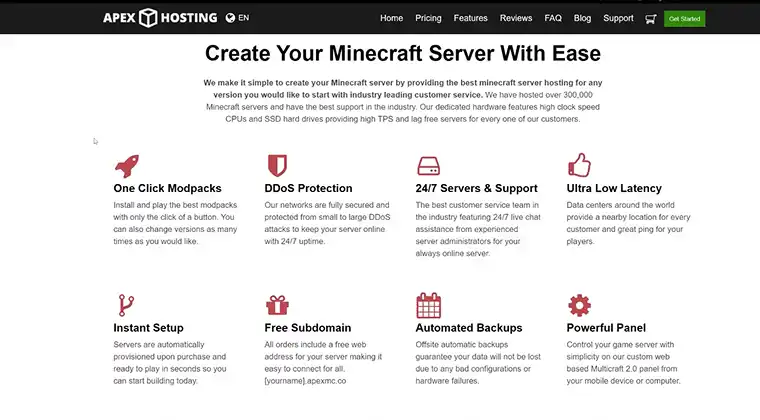
First, choose your hosting solution. Free hosting exists but comes with severe limitations. Paid hosting through providers like Apex, Shockbyte, or BisectHosting costs $5-$15 monthly for starter servers. Compare features, customer reviews, and scalability options and choose best Minecraft Bedrock server hosting provider before committing.
Download the Minecraft server software from Mojang‘s official website. Your hosting provider usually handles this step automatically. If self-hosting, you’ll need to configure port forwarding on your router and adjust firewall settings.
Configure your server settings through the server.properties file. Set your world name, difficulty, game mode, and player limit. Add plugins through platforms like Spigot or Paper for enhanced functionality. Popular plugins include EssentialsX for basic commands and Vault for economy systems.
Customize your server to stand out. Knowing how to make money from Minecraft server operations starts with unique content. Add custom game modes, build impressive spawn areas, or create exclusive challenges. Test everything thoroughly before opening to public players.
Follow Minecraft‘s EULA carefully. Mojang prohibits selling gameplay advantages, but cosmetic items and quality-of-life perks are allowed. Violating the EULA can result in your server being blacklisted. Since Minecraft is cross-platform, ensure your server supports both Java and Bedrock editions if possible.
Promote your server through Minecraft server listing sites, social media, and gaming forums. Engage with your community regularly and listen to player feedback for improvements.
Making It Work
How much money do Minecraft servers make? The answer depends on your effort, investment, and community-building skills. Some servers barely cover hosting costs while others become full-time businesses.
Starting a server requires both financial investment and time commitment. Expect to spend money upfront on hosting, plugins, and marketing. The first few months focus on building your player base rather than generating profit.
Success comes from balancing monetization with player satisfaction. Aggressive sales tactics drive players away. Fair pricing and valuable perks keep communities thriving. If making money in Minecraft interests you beyond servers, consider creating content or streaming.
Treat your server as a long-term project. Most profitable servers took years to build their reputation and community. Start small, learn from mistakes, and scale up as you grow.
FAQs
Servers earn through donations, in-game purchases, advertisements, VIP memberships, and selling exclusive access to premium content.
Minecraft itself earns through game sales, Minecraft Realms subscriptions, and Marketplace purchases. Servers operate independently.
Setup is free, but quality hosting costs $5-$200+ monthly. Add premium plugins, DDoS protection, and development for total costs.
Owners receive payments through PayPal, Stripe, or payment processors integrated into their server shops and donation systems.
Yes, but expect performance issues and security risks. Your computer must stay on 24/7, and your internet connection will suffer.
Focus on donations with cosmetic rewards, affordable VIP subscriptions, and optional microtransactions. Build community before pushing sales.
Minecraft‘s EULA prohibits selling gameplay advantages. Cosmetic items, ranks, and quality-of-life perks are allowed.